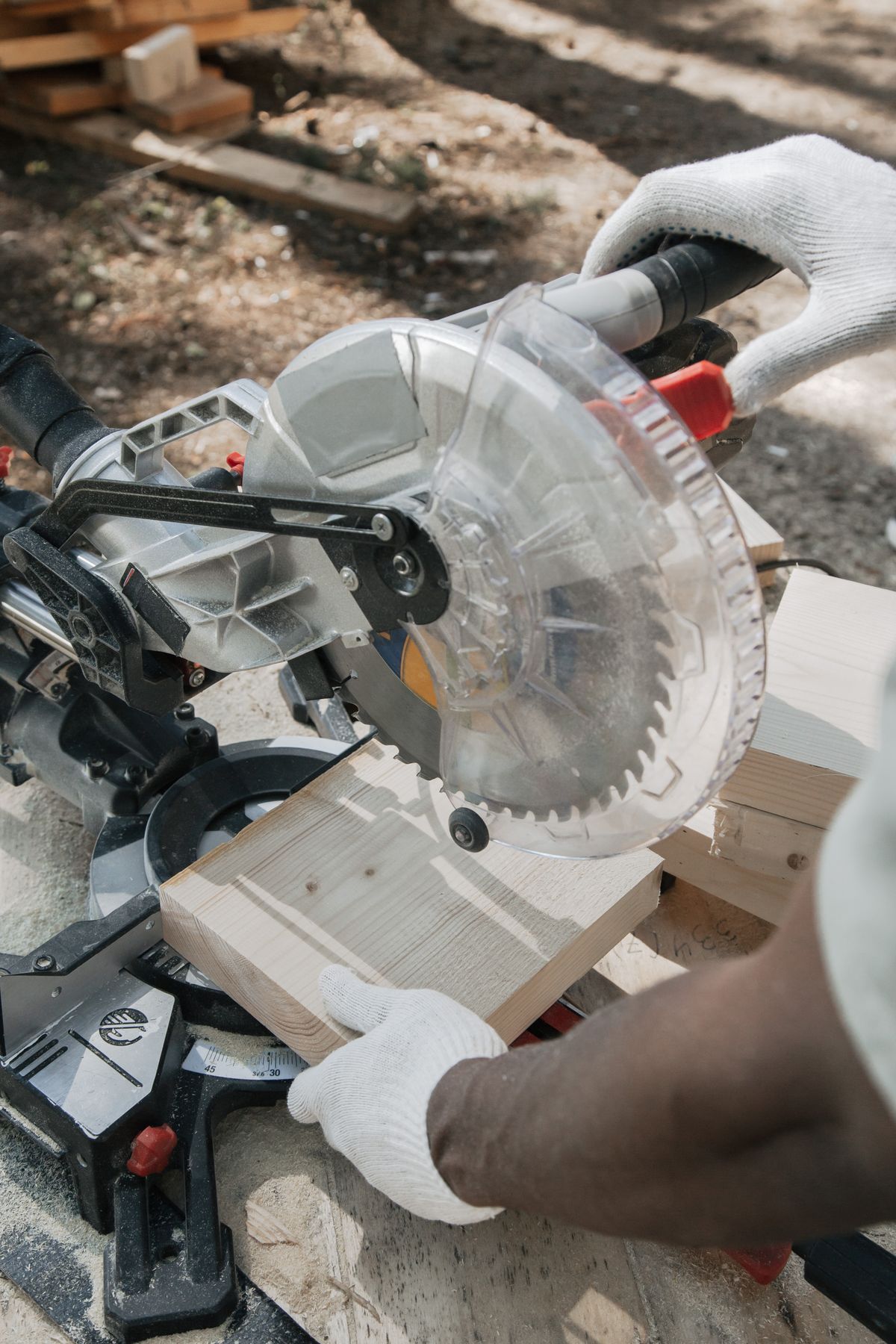
A circular saw is the first “real” power saw most woodworkers buy, and the choice feels bigger than it is. Strip away the marketing and the decision comes down to power source, blade size, and three features that genuinely change how the saw feels in your hands.
Corded or cordless?
If you already own batteries on a platform, a bare cordless saw is the easy answer — one battery system runs the whole shop. If this is your first 20V-class tool, price the kit with two batteries, not one; a saw with a dead pack is a paperweight. Corded saws still win on sustained power per dollar and never run out mid-rip, which matters for deck builds and framing days.
Blade size and depth
A 7-1/4-inch blade cuts 2x lumber at 45 degrees with room to spare — that is the standard for a reason. Smaller 6-1/2-inch saws are lighter and kinder to beginners, but they struggle at bevels in thick stock. Check the bevel stops: positive detents at 22.5 and 45 degrees save endless fiddling.
The three features that matter
- Electric brake. The blade stops in seconds instead of spinning down. This is the single biggest safety upgrade on modern saws.
- Clear sight lines. A cutaway guard and a bright cut line beat laser guides — you can actually see the blade meet the mark.
- Dust port. Sawdust is not just messy; it hides the line. A port that fits a standard shop vac keeps cuts visible and lungs happier.
Our recommendation
Start with a 7-1/4-inch saw with a brake, on whatever battery platform you already own. Pair it with a 40-tooth general-purpose blade for clean crosscuts and a straight-edge guide for rips — that combination handles 90 percent of home projects.
Ready to cut?
Browse saws, blades, and guides in the shop.